
Emotional Recovery in Children After a Car Crash
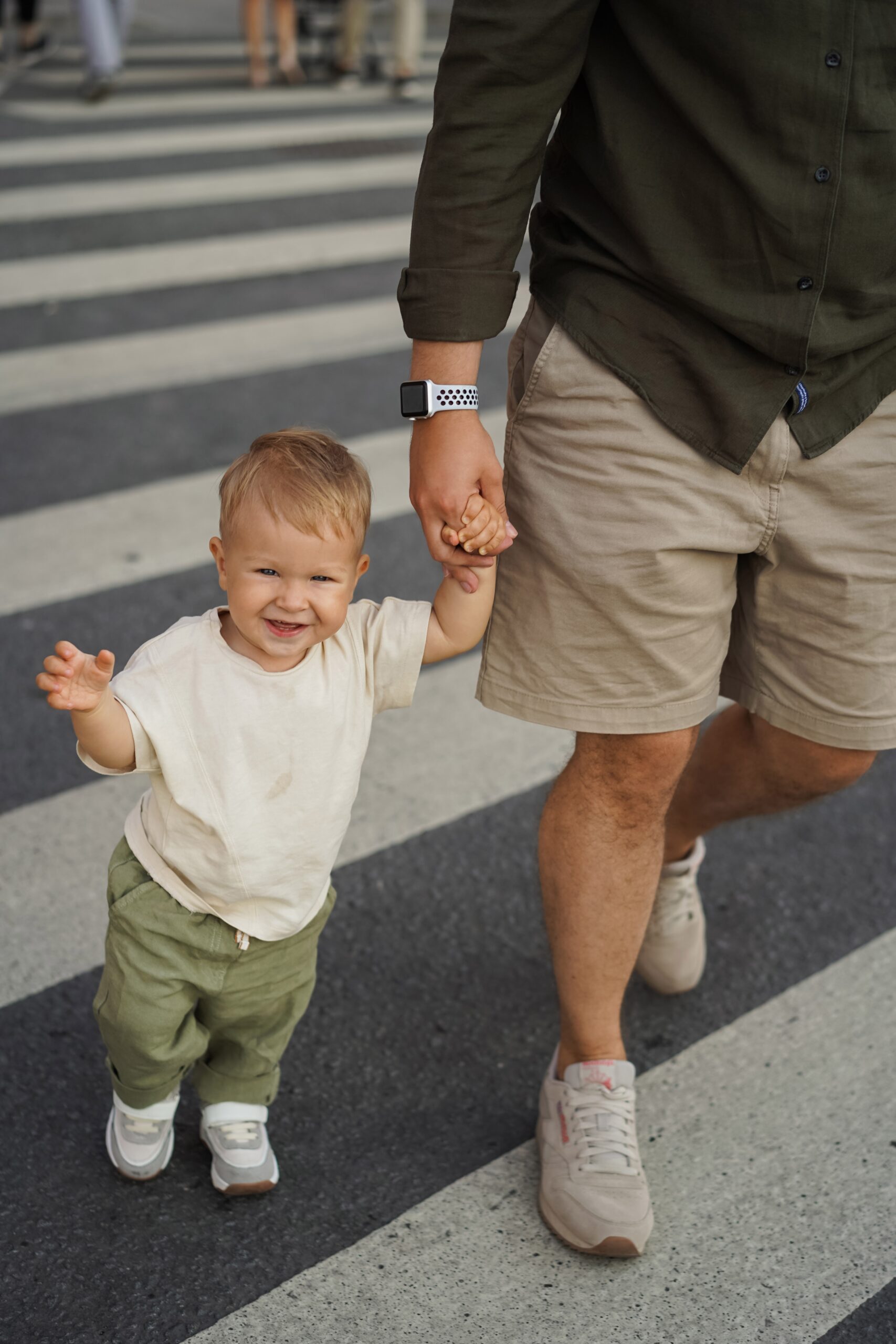
When a car crash occurs, adults often focus on physical injuries, insurance claims, and vehicle damage. However, children experience accidents differently. Even when they appear physically unharmed, the emotional effects of a collision can linger beneath the surface. Because children may not always have the words to express what they feel, recognizing and supporting their emotional recovery is critical.
Understanding how trauma affects children is the first step toward helping them heal.
How Children Process Trauma
Children process traumatic events differently depending on their age and developmental stage. A car crash can disrupt their sense of safety and predictability. Even if the accident was minor, the suddenness, loud noises, and fear they observed in adults can leave a strong emotional imprint.
Unlike adults, children may not openly discuss fear or anxiety. Instead, their distress often shows up through behavior.
Common Emotional Reactions in Children
After a car crash, children may experience:
- Increased clinginess or separation anxiety
- Fear of riding in a car
- Nightmares or trouble sleeping
- Irritability or emotional outbursts
- Difficulty concentrating at school
- Regression (bedwetting, thumb-sucking, or baby talk in younger children)
These reactions are normal responses to trauma. For many children, symptoms gradually improve with reassurance and stability. However, when distress persists or worsens, professional support may be necessary.
Signs of Post-Traumatic Stress in Children
Some children may develop symptoms consistent with post-traumatic stress. Warning signs can include:
- Repeatedly reenacting the crash during play
- Avoiding anything that reminds them of the accident
- Strong emotional reactions to loud noises or sudden movements
- Ongoing fearfulness or hypervigilance
- Withdrawal from friends or activities
Early identification of these symptoms can prevent long-term emotional difficulties.
The Role of Parents and Caregivers
Parents and caregivers play a central role in emotional recovery. Children look to adults for cues about safety. Calm, reassuring behavior helps restore their sense of security.
Helpful strategies include:
- Encouraging open conversations without forcing discussion
- Validating their feelings (“It makes sense that you felt scared.”)
- Maintaining consistent routines
- Gradually reintroducing car rides in a supportive way
- Monitoring changes in mood or behavior
It is important not to dismiss fears as “overreacting.” Even if the accident seemed minor, the emotional experience may have felt overwhelming to a child.
When to Seek Professional Help
If symptoms persist for several weeks, interfere with school performance, or significantly affect daily life, a mental health professional trained in trauma-focused therapy can help. Evidence-based approaches such as trauma-focused cognitive behavioral therapy (TF-CBT) are especially effective for children recovering from traumatic events.
Professional documentation of emotional symptoms can also be important in situations involving personal injury claims, ensuring that the psychological impact on the child is recognized.
Supporting Long-Term Resilience
Most children are resilient when given proper support. Emotional recovery does not mean forgetting the event—it means helping the child regain confidence, rebuild a sense of safety, and develop healthy coping skills.
With patience, reassurance, and appropriate intervention when needed, children can move beyond the fear associated with a car crash and return to feeling secure in their daily lives.
Final Thoughts
A car crash can leave invisible emotional wounds in children. While physical injuries may heal quickly, psychological distress can quietly persist. Paying attention to behavioral changes, offering consistent support, and seeking professional care when necessary can make a meaningful difference in a child’s recovery.
Emotional healing is not automatic—but with the right support system, children can recover, grow stronger, and regain their sense of safety and stability.